Repair and Rehabilitation of Cooling Basin

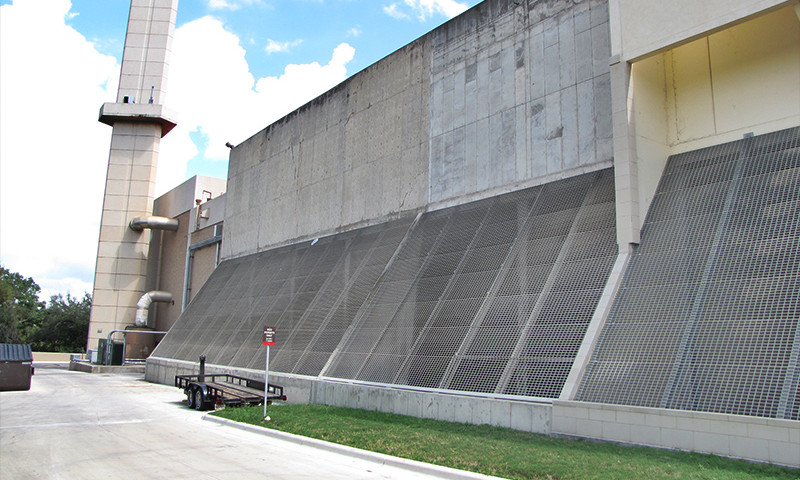
A cooling basin constructed as an addition to an existing co-generation cooling system consisted of cast-in-place concrete with walls approximately 60 ft. tall. Shortly after the cooling basin was constructed, the owner expressed concerns that the basin was leaking. CA was retained to observe the repairs performed to the basin walls by a third party hired and to certify that all repairs were performed according to industry standards of practice. CA’s activities included numerous site visits, non-destructive testing, evaluation of existing conditions, and observed on-site testing by other parties. CA provided the client with additional repair options and procedure recommendations.

Continuously Reinforced Concrete Pavement Interstate Highway Concrete Crack Repair

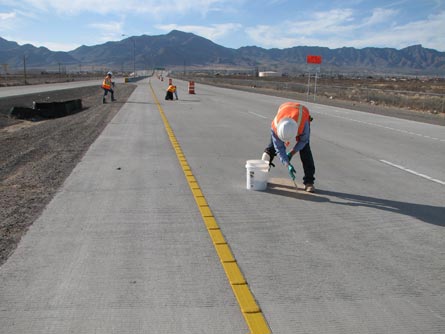
This project consisted of conducting a forensic investigation into the cause(s) of the observed random cracking in the continuously reinforced concrete pavement (CRCP) highway sections of Loop 375 in El Paso, Texas. During this investigation, CA conducted a visual inspection of the CRCP sections exhibiting distress, performed an examination of the concrete pavements being investigated, reviewed reports from other investigators, evaluated the concrete production records, and reviewed construction related documents including weather conditions and construction daily reports. The observed distress consisted primarily of random plastic shrinkage cracking. Findings indicated that high evaporative weather conditions, lack of protection of the concrete surface, and poor concrete curing practices contributed to the distress observed. Partial depth and full depth cracks were repaired at CA’s direct using a high molecular weight methacrylate crack sealer. Removal and replacement of the distressed concrete was not necessary.

Assessment of a Continuously Reinforced Concrete Pavement Interstate Intersection

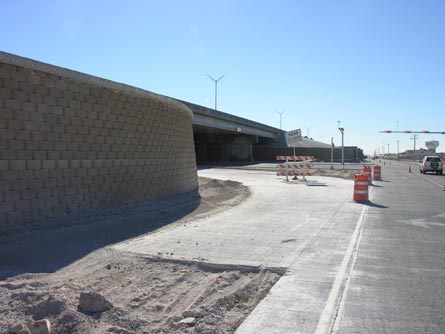
This project consisted of conducting a forensic investigation into the cause(s) of the observed random cracking and poor quality finished surfaces in the continuously reinforced concrete pavement (CRCP) highway intersections along sections of Loop 375 in El Paso, Texas. During this investigation, CA conducted a visual inspection of the CRCP sections exhibiting distress, performed a petrographic examination of concrete cores obtained from the pavements being investigated, reviewed reports from other investigators, evaluated the concrete production records, and reviewed construction related documents including weather conditions and construction daily reports. The observed distress consisted primarily of poor quality finished surfaces and random plastic shrinkage cracking. Findings indicated that high evaporative weather conditions, lack of protection of the concrete surface, and poor concrete curing practices contributed to the distress observed. The distressed CRCP highway sections were removed and replaced.

Tennis Court Complex Forensic Engineering Investigation

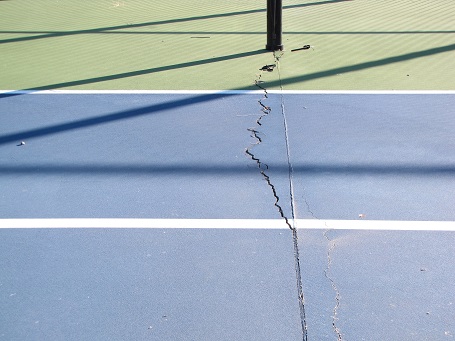
CA was retained to perform a structural investigation and determine the cause(s) of the distress in two tennis court facilities located at a junior high school and high school in South Texas. To accommodate construction on expansive soil conditions, the structural system of the tennis courts was comprised of precast concrete hollow core planks (HCP) with a 3 inch concrete topping slab supported by cast-in-place reinforced concrete piers. Shortly after construction the owner noticed distress in the form of cracking and spalling along joints in the playing surface of the tennis courts. It was determined that the cracking was reflective cracking propagating from the longitudinal and transverse joints between HCPs which also resulted in localized spalling of the topping slab. CA’s investigation into the problem consisted of, among others, review and evaluation of construction related documents, review of third party repair options, review of expert reports, review of plans and drawings, detailed condition survey and elevation surveys, exploratory coring to assess the details of the jointing between HPCs, structural analysis of the tennis court system, design of a repair alternative, as well as several site visits to the structures. Through the forensic engineering investigation, CA was able to determine the cause(s) of the distress and provide the client appropriate remediation procedures.

Foundation Crack Repair of High School in Texas

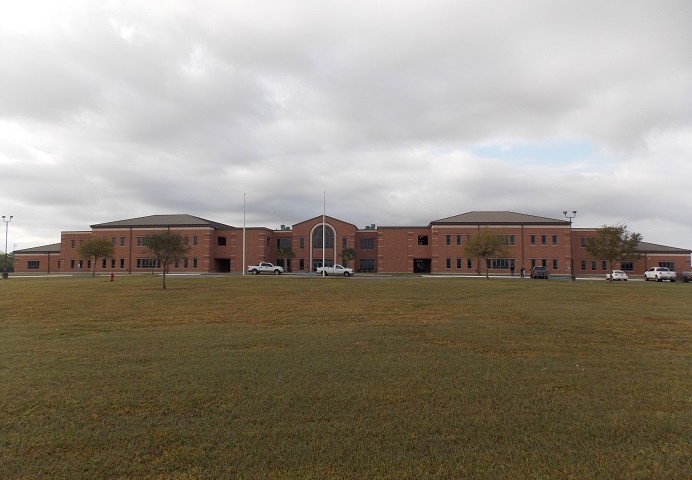
CA was retained to determine if the alleged movement of the reinforced concrete slab-on-grade foundation at a high school was the result of construction related activities and to develop recommendations for restoring the facility. Shortly after the school’s completion, the owner reported deficiencies including, but not limited to, movement of the slab-on-grade foundation which caused distress consisting of cracking and/or separation of drywall panels, out-of-plumb doorways, and out of level floors. CA’s investigation included the review and evaluation of construction related documents, multiple site visits including a detailed condition survey and relative elevation surveys of the school. Through the investigation, CA was able to determine the cause(s) of movement and develop a mitigation procedure to minimize any future movement and restore functionality of the facility.

Structural Engineer Expert Witness: Sports Car Speedway

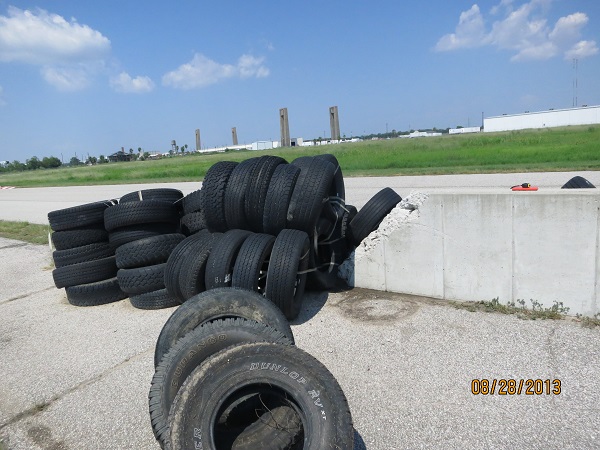
In January of 2012, a barrier wall at a race track near Houston, Texas was struck by a vehicle resulting in injuries to a spectator. Carrasquillo Associates (CA) conducted a forensic investigation into the structural integrity of the barrier wall. CA’s investigation and litigation support included review of depositions, photographs, drawings, expert reports and industry standards for vehicle barrier design. In addition, CA performed a structural analysis on the as-built barrier wall and after a site investigation to identify distress and the as-built condition of the wall. CA’s investigation culminated in an expert report where CA was able to determine the injuries to the spectator were attributable to the structural deficiencies in the barrier wall and poor safety practices at the facility. The case was settled in favor of CA’s client.

Warehouse Slab-on-Grade Distress Investigation

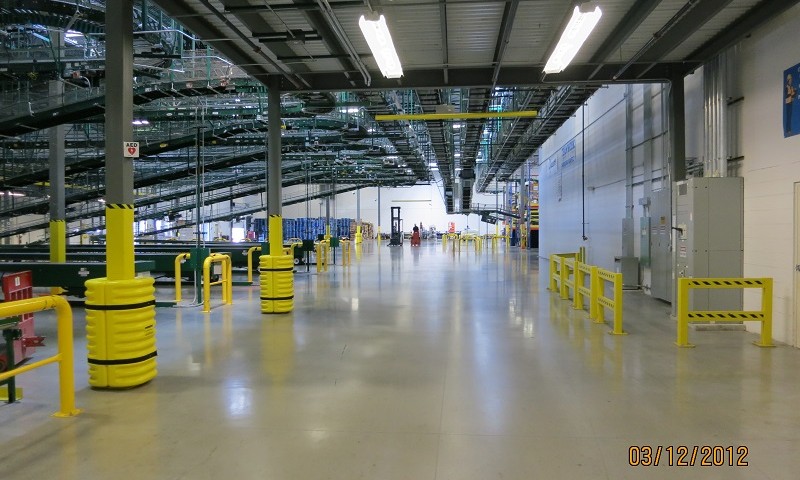
A 160,000 square foot warehouse located in Austin, TX was exhibiting distress of the finished concrete floor in the form of aggregate exposure, distress, surface wear, and joint deterioration of both control joints and construction joints in the cast-in-place slab-on-grade. In addition, several areas were identified as containing cold joints and poor quality concrete within the cast-in-place slab-on-grade. CA was retained to perform a detailed condition survey to identify and determine the cause(s) of the defects within the slab and to develop concrete repair recommendations. CA’s condition survey included photographic documentation, distress mapping, non-destructive testing using ground penetrating radar, concrete core sampling, and petrographic examination. The investigation also included an assessment of the equipment and use of the facility as well as an evaluation of the specifications, plans, drawings and construction related documents. CA determined the cause of distress in the concrete and provided the client with a repair plan to prevent future distress that would have otherwise been caused by the existing defects within the slab-on-grade.  CA also aided in the litigation for this project by participating in mediation proceedings.

Corrosion of Warehouse Distribution Facility in Costa Rica

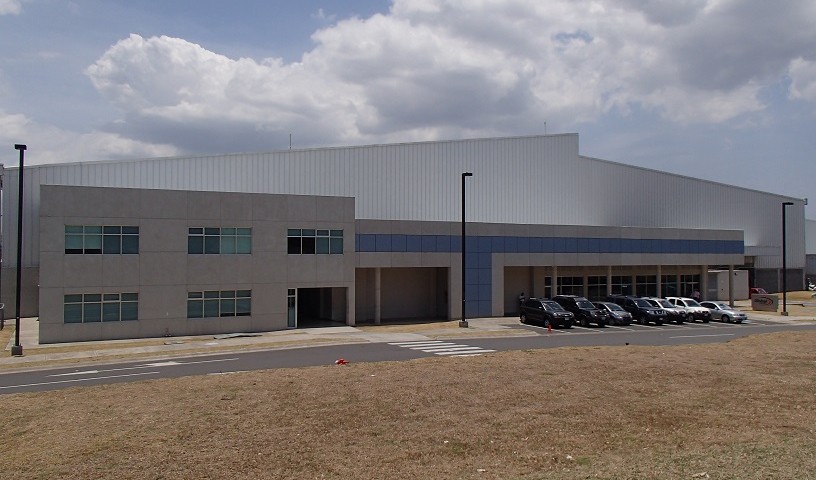
CA was retained to perform a forensic investigation to evaluate the distress observed in the cast-in-place concrete slab-on-grade at a 196,000 square foot distribution warehouse facility in Costa Rica. Thirty days after placement of the concrete, the owner of the facility observed signs of distress in the form of severe corrosion staining on the surface of the slab-on-grade warehouse floor which had been treated with a metallic aggregate floor hardener. The corrosion on the concrete surface had also affected the corrosion of the steel storage racks in the facility. CA’s investigation included the review and evaluation of construction related documents, assessment of the concreting practices, review of forensic engineering expert reports, a site visit and condition survey of the facility, temperature and humidity data collection, and concrete core sampling for petrographic examination. CA was able to determine the cause(s) of the distress through its investigation, which included construction defects, inadequate concreting practices during placement and curing, and provided the client with repair recommendations to ensure concrete durability of the warehouse.

Structural Evaluation and Repair of a Precast Parking Garage

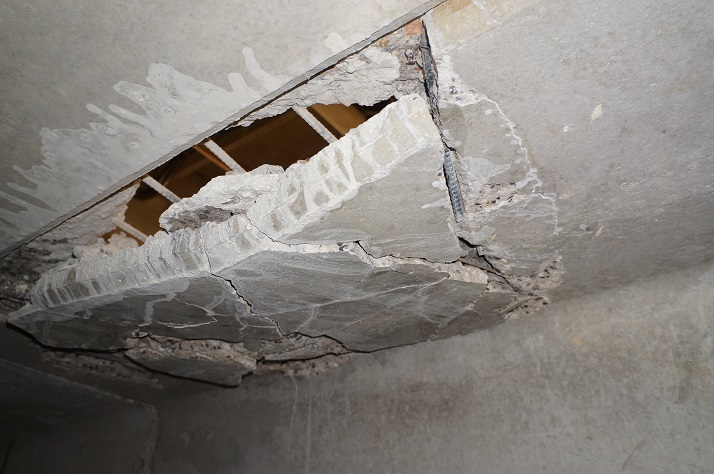
CA’s consulting engineering services were retained by a central Texas contractor to assess the structural damage to two double-tee precast concrete beams in a parking garage caused during the renovation of a maintenance room. As part of a renovation project, cast-in-place concrete machine pads were being removed using handheld chipping hammers when a penetration was made through the flanges of two adjacent double-tee beams. CA’s investigation included a site condition survey, measurements, photographic documentation, and a structural analysis of the as-built system to determine the extent of any reduction in the structural performance, safety, and load carrying capacity of the damaged structure. CA was able to provide the contractor with a repair procedure that was implemented concurrently during other operations, thus not delaying the overall renovation project.

Concrete Distress Investigation at a Suburban Shopping Center

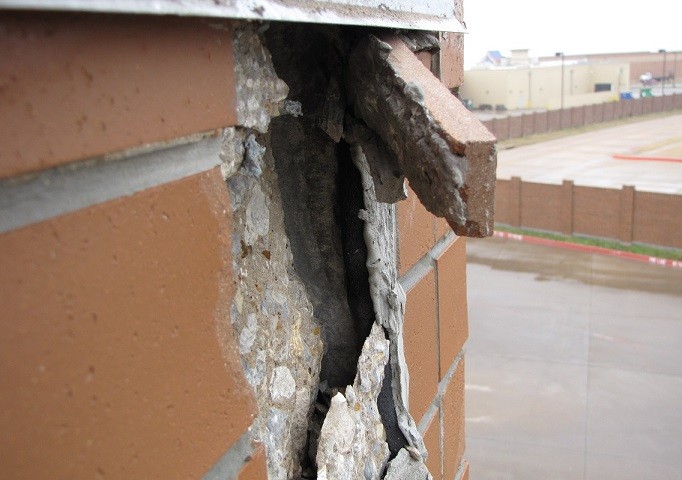
The concrete parking lot at a Dallas, TX suburban strip mall housing a national electronics retailer and other popular chain stores was exhibiting various forms of distress in the concrete pavement including cracking, faulting, heaving, aggregate pop-outs, and relative joint displacement. In addition, CA observed that the brick facade of the concrete tilt-wall panels of the structure was delaminating and spalling at localized areas. CA was retained by the owner to perform an investigation into the cause(s) of the distress which included evaluation of the construction practices, plans, and drawings and a detailed condition survey of the both the concrete pavement and tilt-wall panels, numerous relative elevation surveys, and non-destructive testing, including the use of ground penetrating radar (GPR). Sampling and testing also included petrographic examination of the concrete pavement and stabilized base materials. CA was able to determine the cause of the distress in both the concrete pavement and tilt-wall panels and provided the owner with a cost efficient solution that could be implemented without disrupting everyday operations at the strip mall plaza.